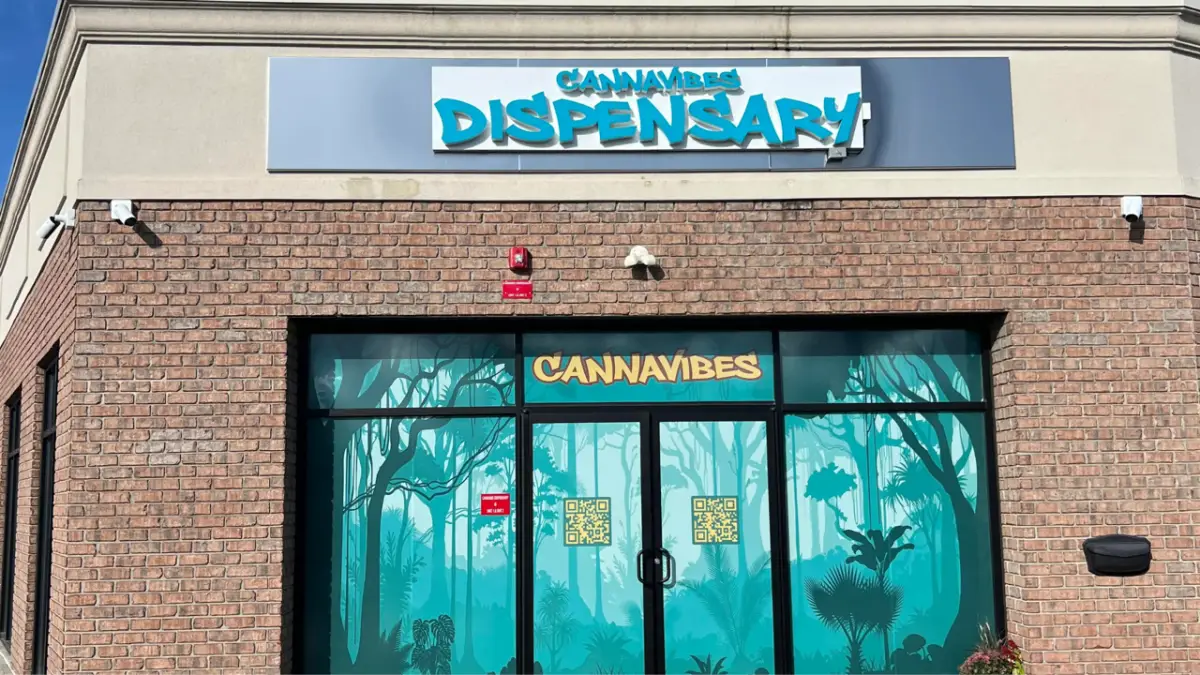
At Cannavibes Dispensary in Elmwood Park, NJ, we believe understanding what’s actually in your cannabis is one of the best ways to become a more informed consumer.
If you’ve ever looked at a cannabis label and wondered, “What are CBG, CBN or THCV?”, you’re not alone.
Most cannabis conversations focus on THC and CBD, but cannabis contains more than 100 identified cannabinoids, including a fascinating group commonly called minor cannabinoids.
These compounds may appear in smaller concentrations than THC and CBD, but that doesn’t mean they’re unimportant. As cannabis research continues to evolve, consumers are paying more attention to the complete cannabinoid profile of a product, not just its THC percentage.
At Cannavibes Dispensary in Elmwood Park, NJ, we believe understanding what’s actually in your cannabis is one of the best ways to become a more informed consumer.
So, let’s break down some of the most talked-about minor cannabinoids: CBG, CBN, THCV, CBC and more.
Cannabinoids are naturally occurring compounds found in the cannabis plant. THC and CBD are considered the major cannabinoids because they are among the most abundant and
extensively studied.
Cannabis also produces numerous other cannabinoids in smaller quantities. These are commonly referred to as minor or lesser-known cannabinoids. Researchers have identified
more than 100 cannabinoids in cannabis, although our understanding of many of them is still developing.
Some minor cannabinoids include:
● CBG — Cannabigerol
● CBN — Cannabinol
● THCV — Tetrahydrocannabivarin
● CBC — Cannabichromene
● CBDV — Cannabidivarin
● CBDA — Cannabidiolic acid
● THCA — Tetrahydrocannabinolic acid
One important thing to remember: “minor” refers primarily to how much of the cannabinoid is typically present in the plant—not how important it may be.
CBG is one of the minor cannabinoids receiving significant attention from cannabis researchers and consumers.
CBG is often called the “mother cannabinoid” because CBGA, its acidic precursor, serves as a starting point for the biosynthesis of several other major cannabinoids in the cannabis plant.
Unlike THC, CBG is generally considered non-intoxicating, meaning it doesn’t produce the traditional cannabis high associated with THC.
You’ll increasingly see CBG included in:
● Tinctures
● Gummies and other edibles
● Flower
● Vapes
● Full-spectrum products
● Cannabinoid blends
Research into CBG is still developing, so it’s best to avoid treating it as a guaranteed treatment for a particular condition. Instead, think of CBG as another piece of the cannabis chemistry puzzle.
CBN is another cannabinoid you’ll commonly see on cannabis product labels.
CBN is formed through the degradation of THC over time, which is one reason it is often associated with older cannabis.
CBN has become particularly popular in products marketed for evening use, relaxation and sleep, but it’s important to separate marketing claims from established science.
Research into CBN’s effects is still developing, and more high-quality human research is needed before making definitive claims about its effects.
If you’re shopping for cannabis in New Jersey and see a product featuring CBN, look beyond the cannabinoid name and consider the entire cannabinoid and terpene profile.
THCV is a fascinating cannabinoid because its chemical structure is similar to THC, but it behaves differently in the body.
Despite containing “THC” in its name, THCV should not simply be thought of as regular THC.
Research into THCV is ongoing, with scientists investigating its interactions with the body’s cannabinoid receptors and other biological pathways.
THCV is also attracting attention because of interest in its potential effects on appetite and metabolism. However, many of the claims you’ll see online go beyond what current research can confidently establish.
Bottom line: THCV is intriguing, but it's still an emerging area of cannabis science.
CBC is another lesser-known cannabinoid found naturally in cannabis.
Like CBG, CBC is generally considered non-intoxicating. Researchers are studying how CBC interacts with cannabinoid receptors and other biological targets.
CBC is typically found in much smaller amounts than THC or CBD, which means it may not be prominently displayed on every cannabis product label.
As cannabis testing becomes more comprehensive, however, consumers may see CBC and other minor cannabinoids listed more frequently.
CBDV is structurally related to CBD and is another cannabinoid scientists are investigating.
Research into CBDV has explored its potential interactions with neurological pathways, but much of the evidence remains preclinical or early-stage.
This is a good example of why it’s important to approach cannabis education with curiosity and skepticism. A promising early study isn’t the same thing as a proven medical treatment.
You may also see THCA and CBDA on cannabis labels.
These are acidic cannabinoid precursors that naturally occur in raw cannabis.
THCA is the acidic precursor to THC, while CBDA is the acidic precursor to CBD. When cannabis is exposed to heat, a process called decarboxylation converts these acidic cannabinoids into their more familiar forms.
That’s one reason raw cannabis chemistry can look very different from the cannabinoid profile of a smoked, vaped or heated product.
So what’s the difference? The distinction is primarily about abundance and how extensively each compound has been studied, rather than whether one cannabinoid is inherently “better” than another.
And this is where modern cannabis shopping gets interesting.
Instead of asking only:
“How much THC is in this?”
you can start asking:
“What’s the overall cannabinoid profile?”
Cannabis is chemically complex. Two products with similar THC percentages can have very different cannabinoid and terpene profiles.
That’s why looking at the whole label can tell you more than looking at a single number. Learn how to investigate these labels on our blog.
At Cannavibes, we encourage consumers to consider:
THC is the primary intoxicating cannabinoid in cannabis. If you’re new to cannabis, potency is an important consideration.
CBD is non-intoxicating and has been extensively studied for several potential applications. It’s also commonly found in balanced THC/CBD products.
Look for cannabinoids such as CBG, CBN, THCV and CBC if you’re interested in exploring different cannabinoid profiles.
Cannabinoids aren’t the only compounds worth paying attention to. Terpenes contribute to cannabis aroma and flavor and may also influence the overall experience.
Our guide to what are terpenes is a great next step if you want to dive deeper into cannabis chemistry.
Flower, pre-rolls, vapes, tinctures and edibles can all deliver cannabinoids differently.
Your consumption method can influence onset, duration and overall experience, so the “best” product isn’t necessarily the one with the highest cannabinoid percentage.
You’ve probably heard the term “entourage effect.”
The idea is that cannabinoids and terpenes may interact with one another and contribute to the overall effects of cannabis.
Researchers are continuing to investigate these interactions, and the science is more complicated than simply saying that every cannabinoid automatically makes every other cannabinoid work better.
Still, the concept highlights an important point:
Cannabis isn’t just THC.
The plant contains a complex combination of cannabinoids, terpenes and other compounds, and researchers are still working to understand how they interact.
If you’re shopping at a licensed cannabis dispensary in New Jersey, start by looking at the product’s certificate of analysis (COA), cannabinoid information and product label when available.
You may find products specifically formulated with cannabinoids such as:
● THC + CBG
● THC + CBN
● THC + CBD
● THC + CBG + CBD
● THC + CBN + CBD
● Multi-cannabinoid formulas
You can also ask a knowledgeable budtender to help you understand the cannabinoid profile of a product.
At Cannavibes Dispensary in Elmwood Park, our goal is to make cannabis education approachable whether you’re a first-time shopper or an experienced consumer looking to explore beyond traditional THC-dominant products.
“Natural” doesn’t automatically mean risk-free.
Cannabinoids can have different effects from person to person, and research into many minor cannabinoids is still limited. Some cannabinoid products may also interact with medications or underlying health conditions.
If you take prescription medications, are pregnant or breastfeeding, or have questions about how cannabinoids may affect a health condition, talk with your healthcare professional before using cannabis.
Cannavibes provides cannabis education, not medical diagnosis or treatment.
THC and CBD may be the best-known cannabinoids, but they’re only part of the cannabis story.
CBG, CBN, THCV, CBC, CBDV and other minor cannabinoids are helping researchers and consumers look at cannabis through a much wider lens.
As cannabis science continues to evolve, understanding the complete cannabinoid profile can help you become a more informed shopper.
The next time you’re browsing the menu at a New Jersey cannabis dispensary, don’t just ask how much THC is in the product.
Ask:
“What else is in it?”
That’s where things get interesting.
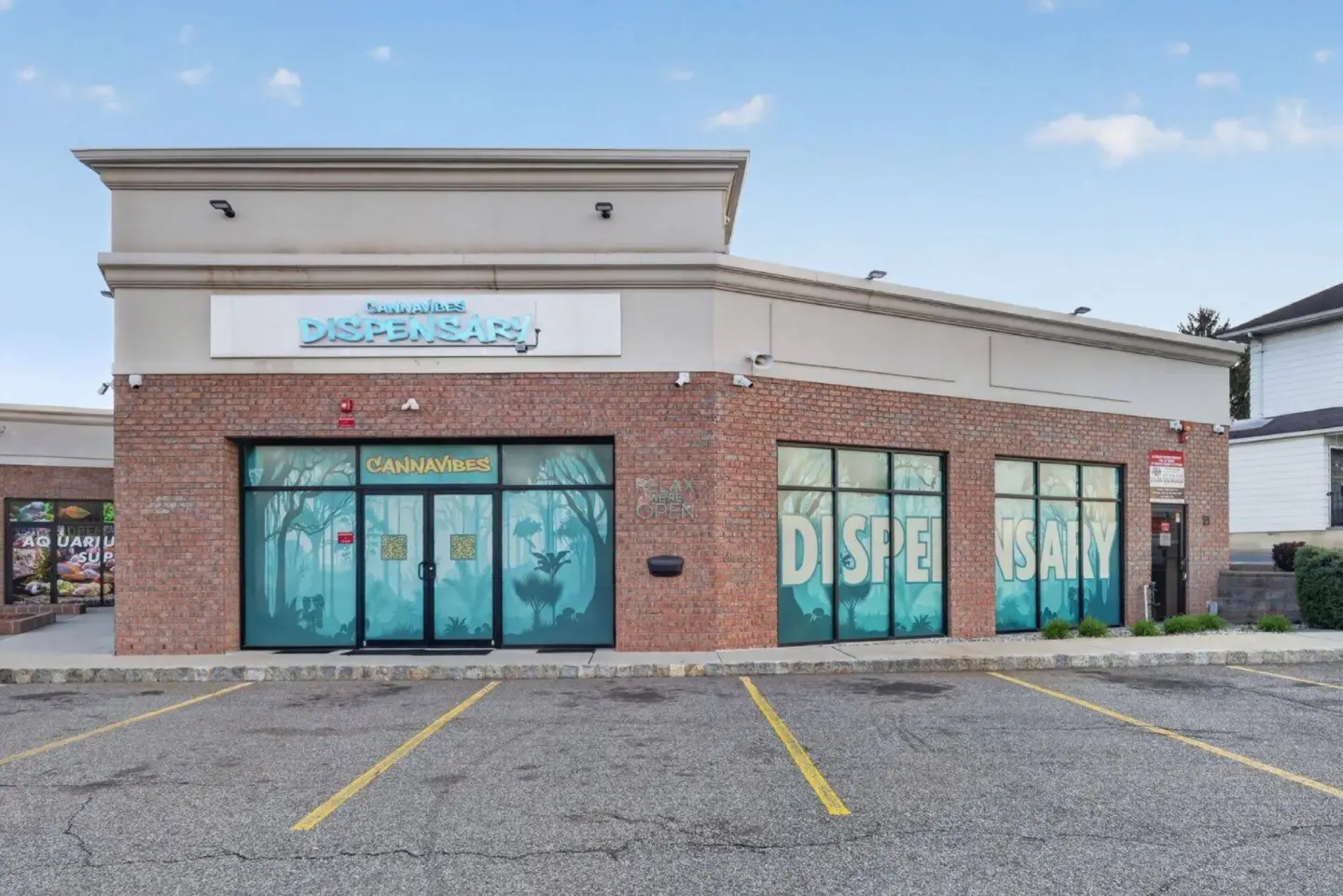
Curious about cannabinoids, terpenes or different cannabis products? Visit Cannavibes Dispensary in Elmwood Park, NJ, and talk with our knowledgeable team about what you’re looking for.
Whether you’re shopping for flower, pre-rolls, vapes, edibles, tinctures or other cannabis products, we’re here to help you better understand your options.
Cannabis education starts with asking questions and we’re always happy to help you find the answers.